
I have a confession to make.
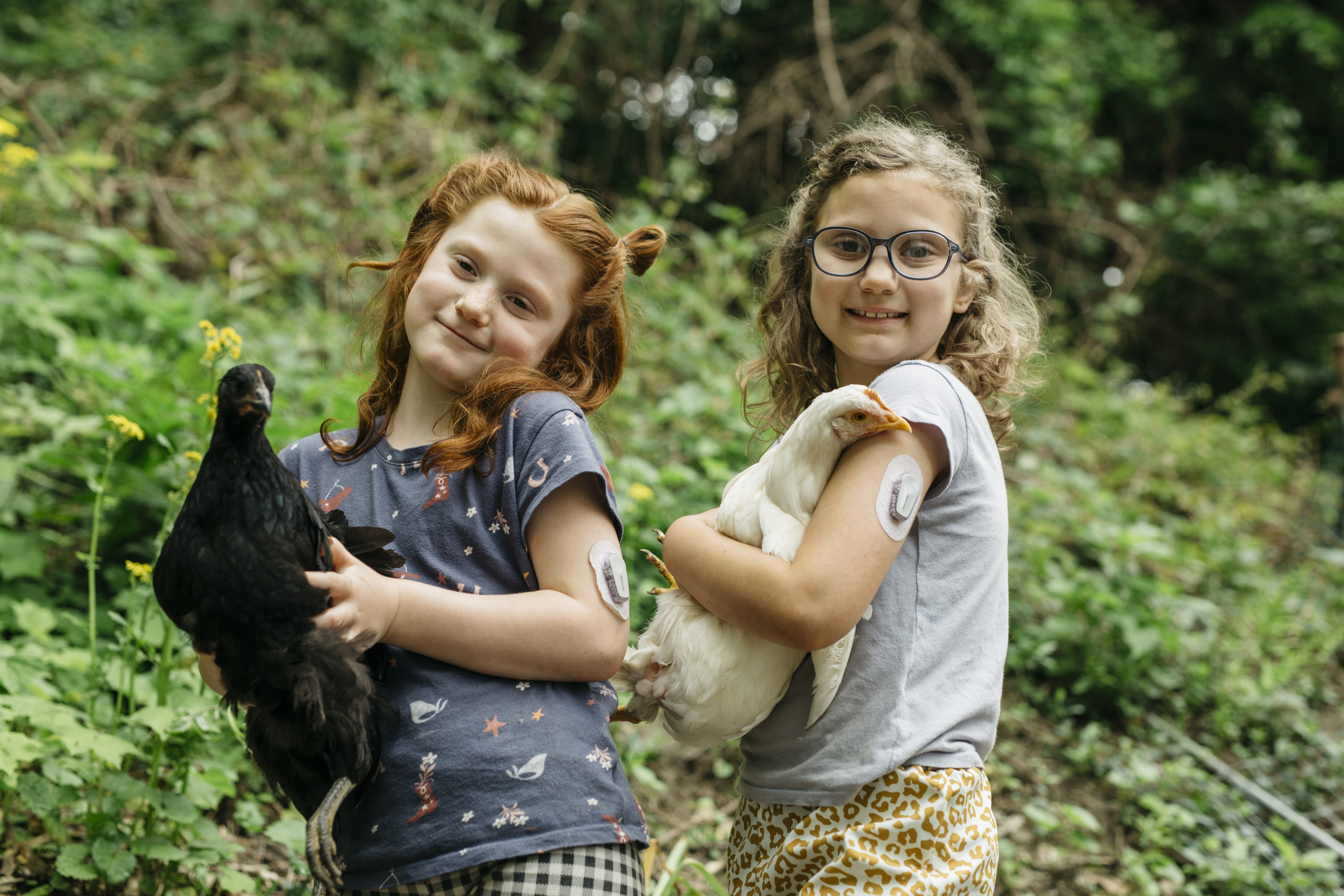
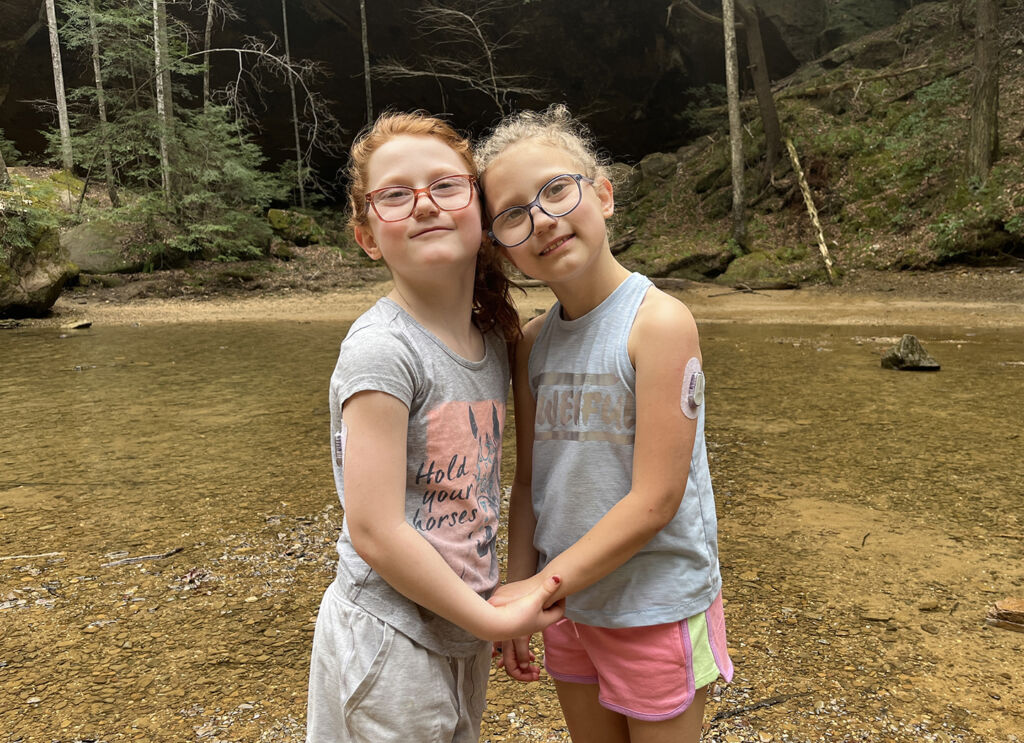
After a long hiatus from my Inspiring Mom series, I was so excited to relaunch with a story about Carley Weber, a mom who cares for not only one, but two sweet daughters with Type 1 Diabetes.
I met with her in August of last year because I knew I wouldn’t be able to do the interview once school started. We talked about autoimmune disease and what that means. At the time, I had no idea just how much that conversation would mean to me.
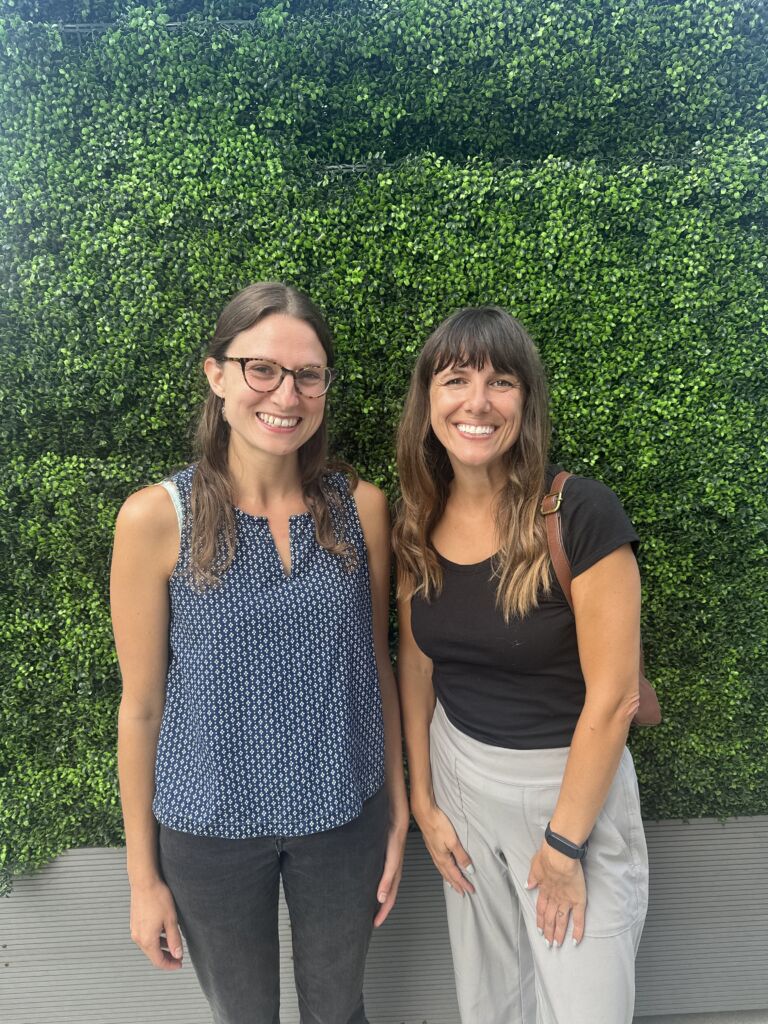
A month later, my world turned upside down, and I ended up learning all about autoimmune disease thanks to my own diagnosis of Multiple Sclerosis. While Type 1 Diabetes and Multiple Sclerosis are very different conditions, they are both autoimmune diseases. Because of my own diagnosis, I feel even more connected to this story now than I did when I first sat down with Carley a year ago.
So, while I hate that it has taken me this long, here is my better-late-than-never interview with Carley Weber.
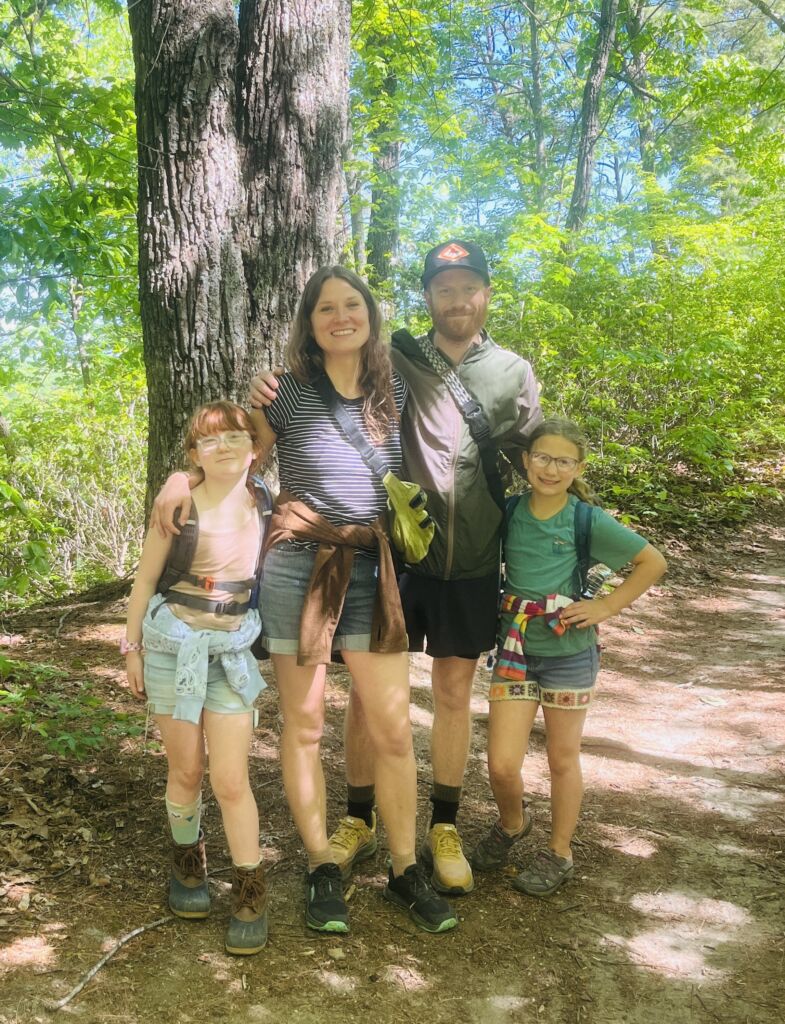
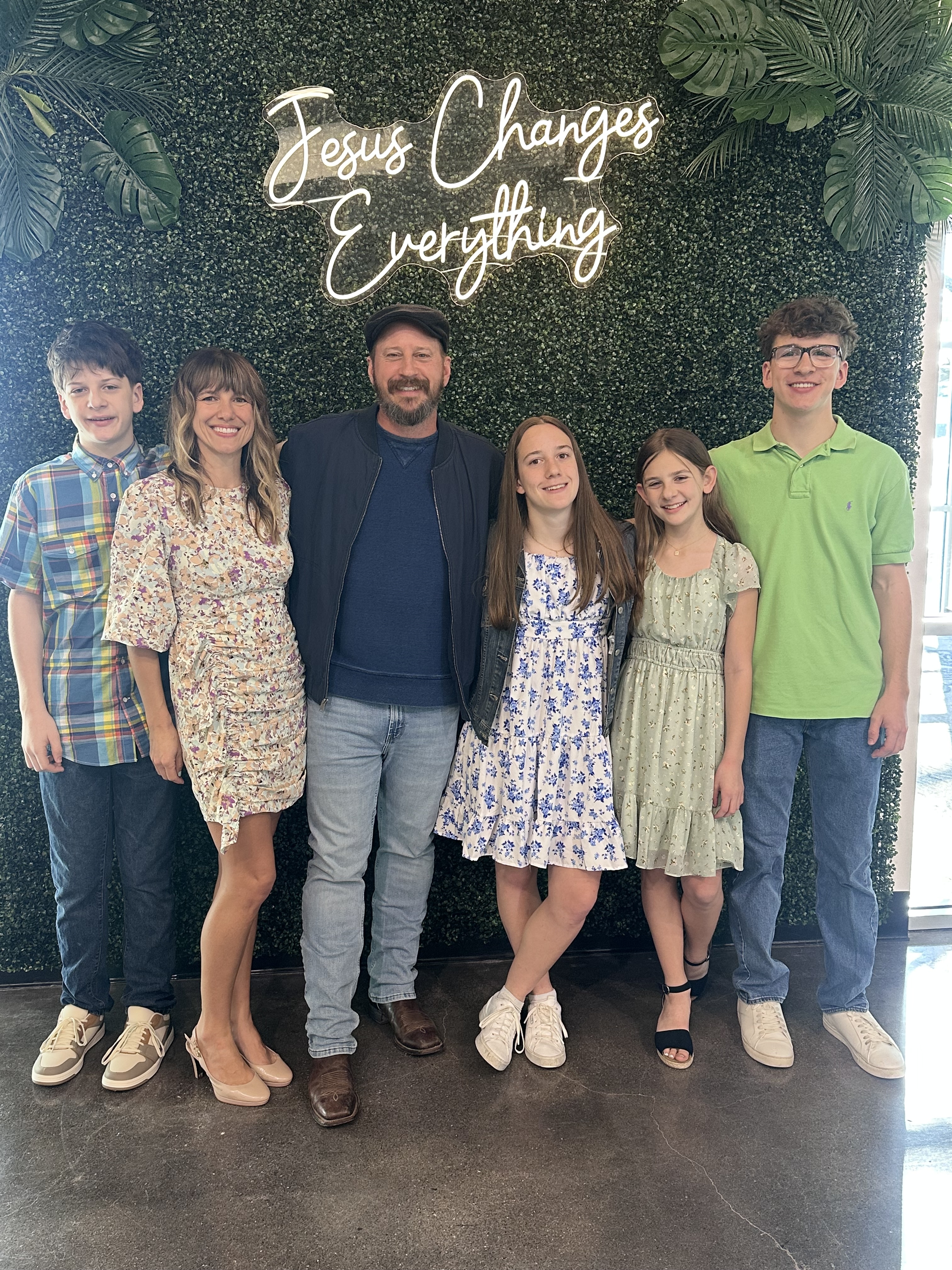
When Carley and her husband, John, became parents, they thought they had it all planned out. They would have a big family, live in a good neighborhood with a great school district, and the future looked bright. They had two beautiful little girls, and everything seemed to be going according to plan.
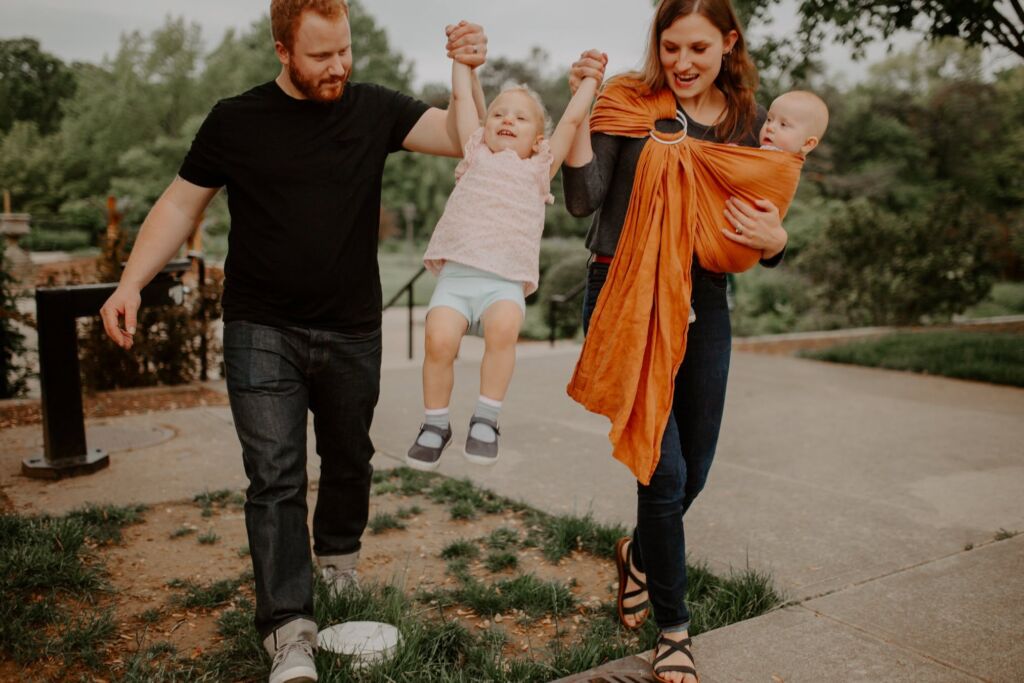
Then their youngest daughter, Darcy, began going through a difficult stage around the time that she was 20 months old.
Carley explains:
“For about a month, she was just really cranky and tired all the time. She couldn’t really talk or say many words yet, so we didn’t know how she was feeling.
We tried to just be relaxed about it, but then there were several days in a row where she slept all day long. So we took her to the pediatrician, and they said, ‘Oh, it’s an ear infection.’ They put her on antibiotics for three or four days, but she still wasn’t getting any better.”
But it didn’t help, and poor Darcy continued to feel miserable. Carley’s motherly instinct was telling her there was something more going on.
“She was thirsty constantly and peeing constantly!” Carley explained. “Because your body is trying to flush out all the extra glucose, she would get terrible diaper rashes from peeing all the time.”
They started Googling all of her symptoms: fatigue, headaches, frequent urination, diaper rash, and excessive thirst. She had all the textbook signs of Type 1 Diabetes.
So they went back to the pediatrician and specifically asked for a finger-prick blood sugar test. The results confirmed their fears. Darcy’s blood sugar was extremely high, and she was immediately sent to Cincinnati Children’s Hospital. There, she spent two days on an insulin drip while doctors slowly brought her blood sugar levels down. It was during that hospital stay that she received her Type 1 Diabetes diagnosis.
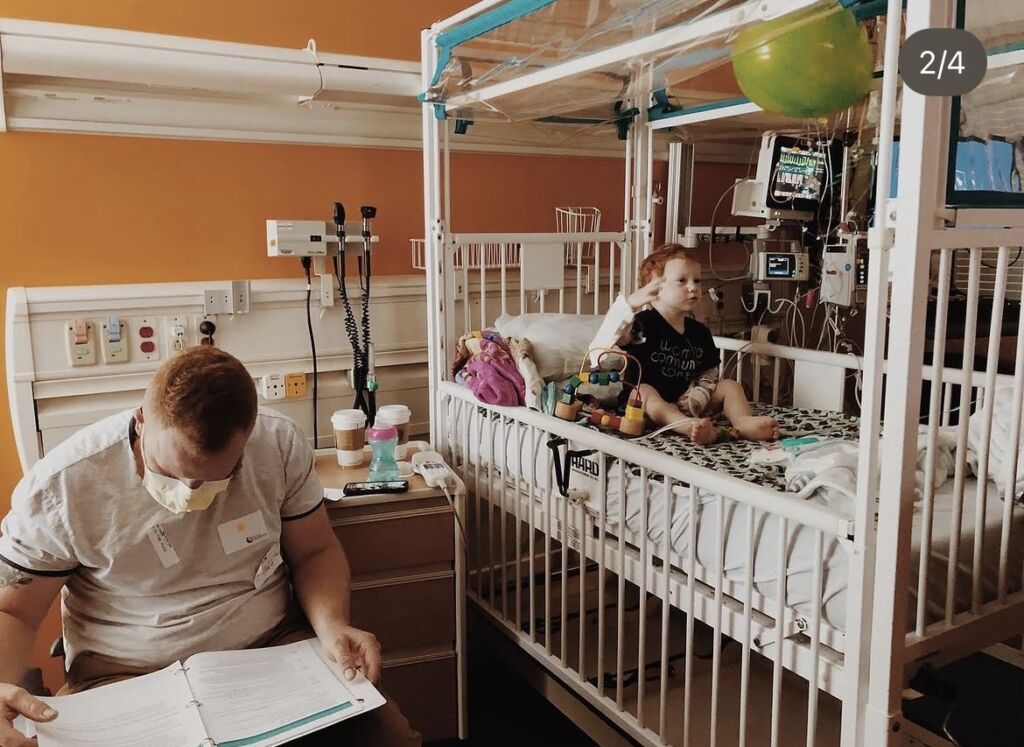
Carley described those days, “We were given so much education. Certified Diabetes Educators Teachers come in and teach you how to take care of them, give insulin, and use all the technology. It was two days of that, and then we were sent home to start the next chapter of our lives.”
They went into survival mode at that point. For the first month, Darcy didn’t even have a Continuous Glucose Monitor (CGM) because it takes time for insurance to approve one. Instead, they had to rely on finger pricks every few hours to monitor her blood sugar.
Carley recalls, “We would wake up every three hours to check on her. Even still, to this day, we wake up every three hours to check her numbers, but we don’t have to physically prick her because she has a CGM now.”
I learned that CGM stands for Continuous Glucose Monitor. It’s a small device that continuously tracks blood sugar levels and is typically changed every 10 days. The monitor allows caregivers to see blood sugar readings in real time, eliminating the need for frequent finger pricks.
A year later, the family was finally beginning to find a rhythm. It wasn’t easy, but as parents with no family history of T1D and no prior experience managing the disease, they felt like they were starting to get a pretty good handle on it all.
Then one day, Darcy’s big sister, Henrietta, who was 4 years old at the time, started acting extremely thirsty. After one day of constant thirst, they just knew.
John pricked Henrietta’s finger in the middle of the night, and her blood sugar was 265. A normal blood sugar level is between 70 and 120.
Carley shares the next memories with some lingering pain and frustration, even all these years later.
“The next day, we took Henrietta to the ER, assuming that they were going to admit her. But there’s something called an A1C, which is basically your average blood sugar for the last three months and her A1C was still fine. It was still normal because we had just picked up on it right when her pancreas started slowing down insulin production.”
Because her A1C was still within the normal range, doctors could not officially diagnose her with Type 1 Diabetes.
Carley remembers, “After a day in the ER of me advocating for her, they literally told me to come back when she’s sicker. Basically, they wanted me to come back in two months when she was completely sick, and I was not okay with that!”
Determined to get answers, the family paid out of pocket for Henrietta to wear a CGM for a week.
“Sure enough, she would shoot up to 400 after a normal lunch,” Carley said. “We kept track of her numbers for a week and then went back to the ER the next weekend to show them. No, we need her to be diagnosed and be on insulin like her sister is.”
Thanks to Carley’s persistence and advocacy, Henrietta was finally approved for treatment and received the care she needed before becoming crucially ill, in DKA (Diabetic Ketoacidosis like her sister was in).
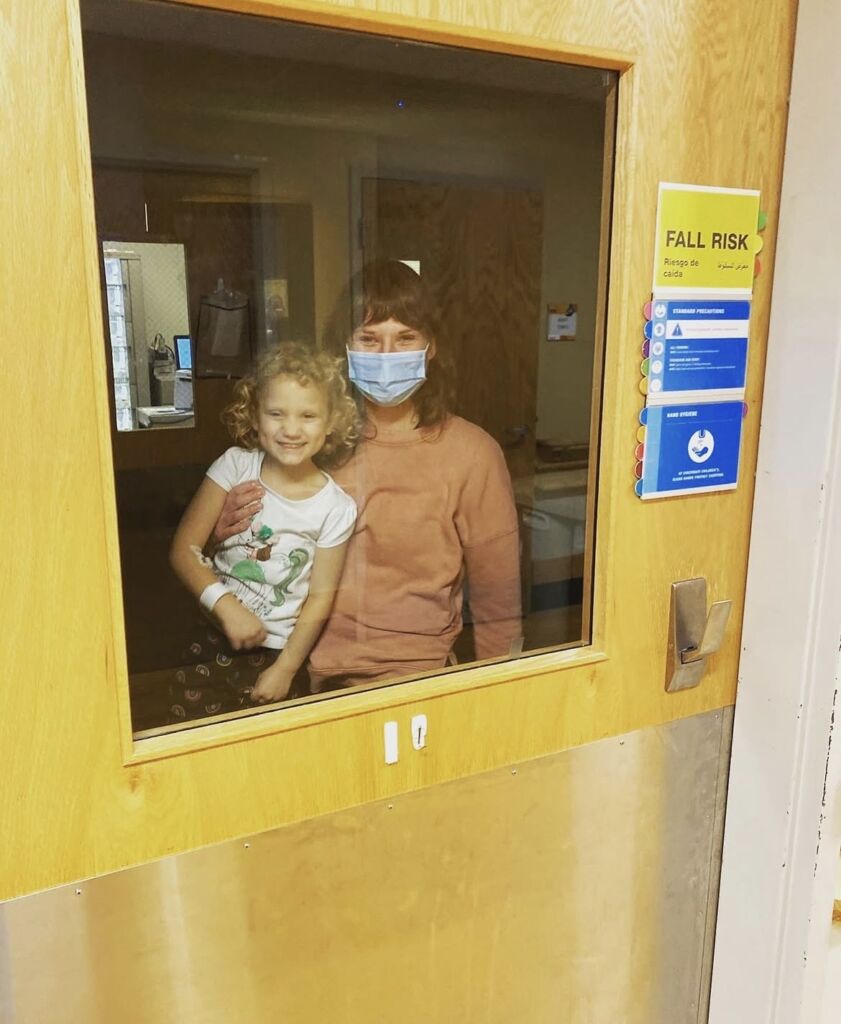
Even before Henrietta’s diagnosis, Carley felt a calling and wondered if there was more she could do in the world of Type 1 Diabetes. At the time, the idea simply lingered in the background.
After Henrietta’s diagnosis, however, the path became clear.
Carley knew this was part of their purpose.
Because of that conviction, the family made significant changes to their lives in order to care for their girls and pursue that calling. They sold the home they had specifically purchased for its school district and chose instead to homeschool, creating a lifestyle that allowed them the ability to stay on top of the girls’ health as well as giving them space and freedom to play and explore outdoors.
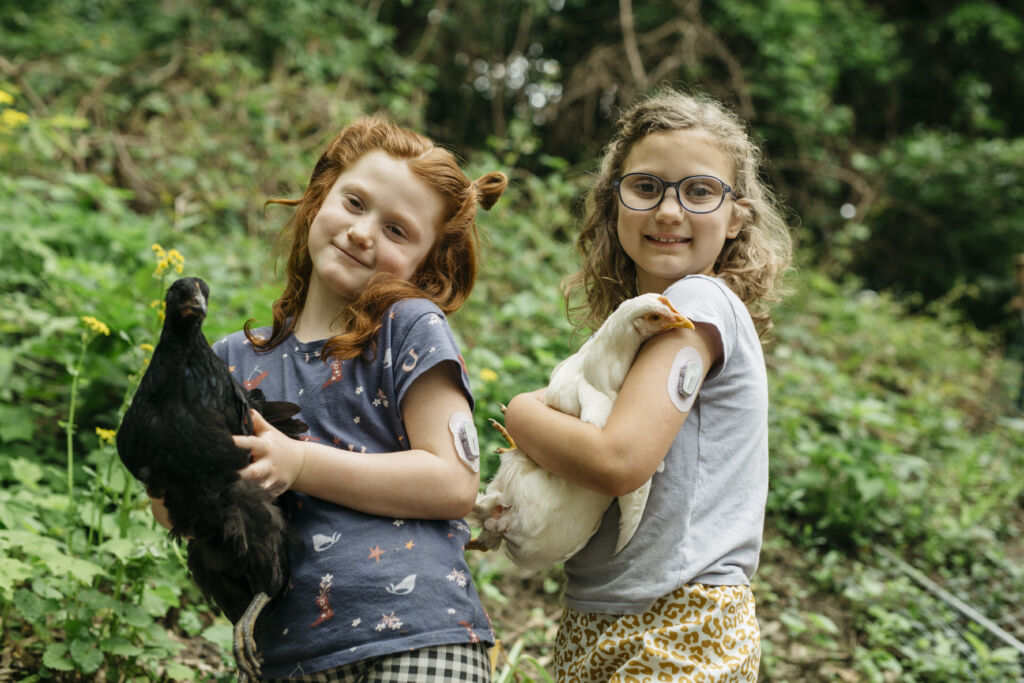
Carley shares that her daughters’ T1D diagnoses have become a key to the peace they’ve found. “We are accepting this is what we are doing. This is our purpose for now. We are taking life slower.”
One of the biggest daily challenges is keeping a child with Type 1 Diabetes within a healthy blood sugar range. Normally, the pancreas produces insulin, which allows glucose (sugar) from food to enter the body’s cells for energy. In T1D, the body no longer makes insulin, so glucose builds up in the bloodstream instead of reaching the cells. This can quickly make a person very sick, making daily insulin essential for health and survival.
To replace the insulin their bodies can no longer produce, many people with T1D—like Darcy and Henrietta—rely on two key devices: a Continuous Glucose Monitor (CGM) that tracks blood sugar levels in real time, and an insulin pump that delivers insulin throughout the day. The pump provides a steady baseline dose and can give extra boluses for meals or corrections. Infusion sites or pumps are typically changed every three days. The photo is a year’s worth of one child’s OmniPods and Dexcom applicators.
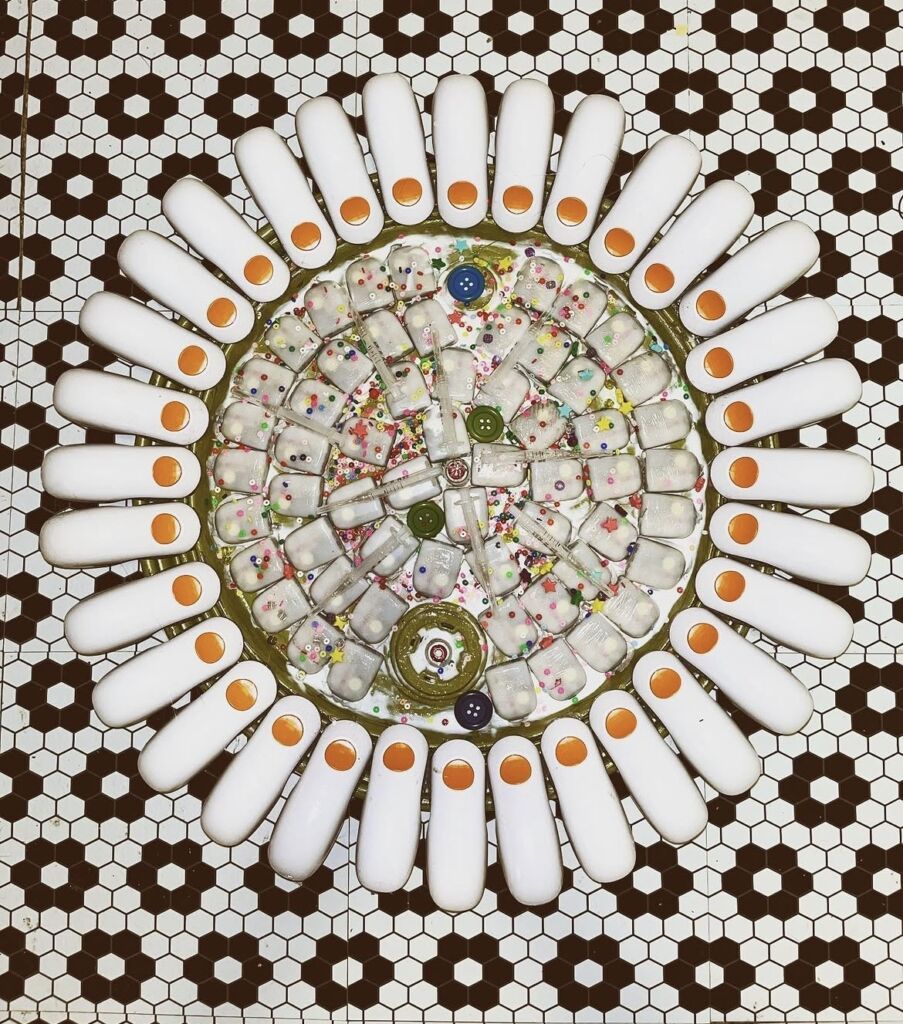
Here’s a heart-melting video of the girls demonstrating their routine—they are so strong and brave: https://www.facebook.com/share/v/1HJKXc46kJ/
It’s a huge responsibility, and the emotional and physical weight can be exhausting. Carley leans on her faith, an amazing partner, and a supportive community to carry the load.
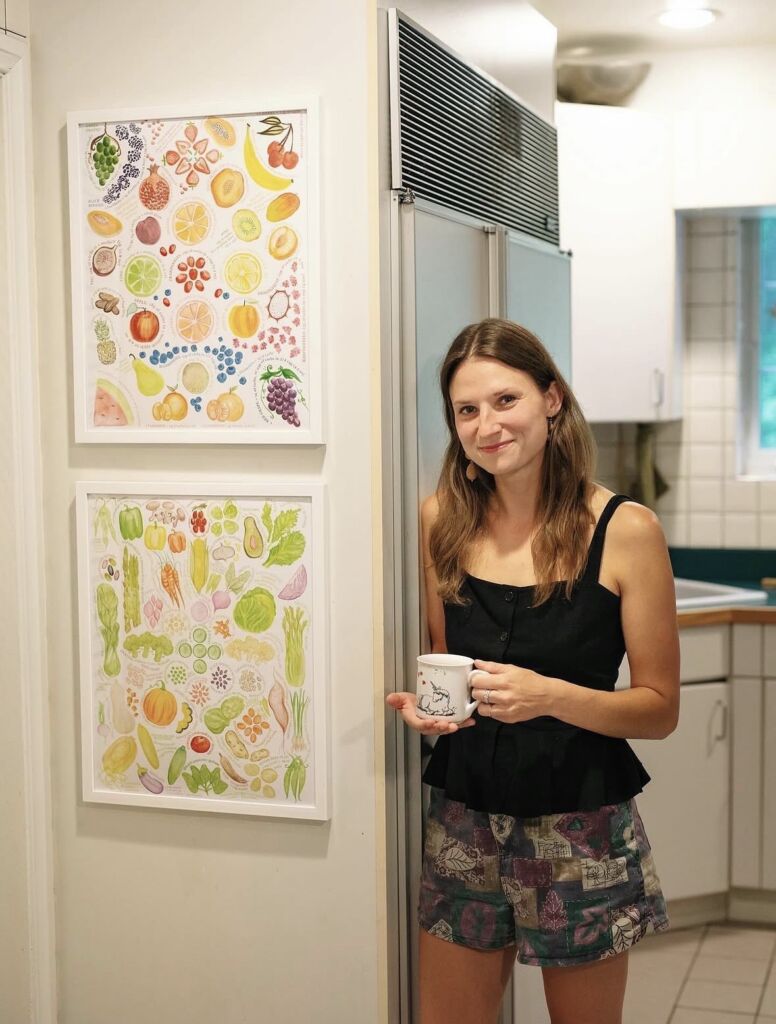
Early on, Carley spent countless hours looking up carb counts on her phone. “Everything that goes into the mouth, basically aside from water, has to be accounted for,” she recalls. “Over five years, I’ve pretty much memorized the carb counts for everything they eat. About three years ago I thought: instead of wasting so much time on my phone, what if I had a picture that showed the carb counts right next to the food so that even a kid could look at it and understand?”
That idea came to life through her watercolor paintings of fruits and vegetables. She painted whenever she could find quiet moments at the end of the day or on vacations.
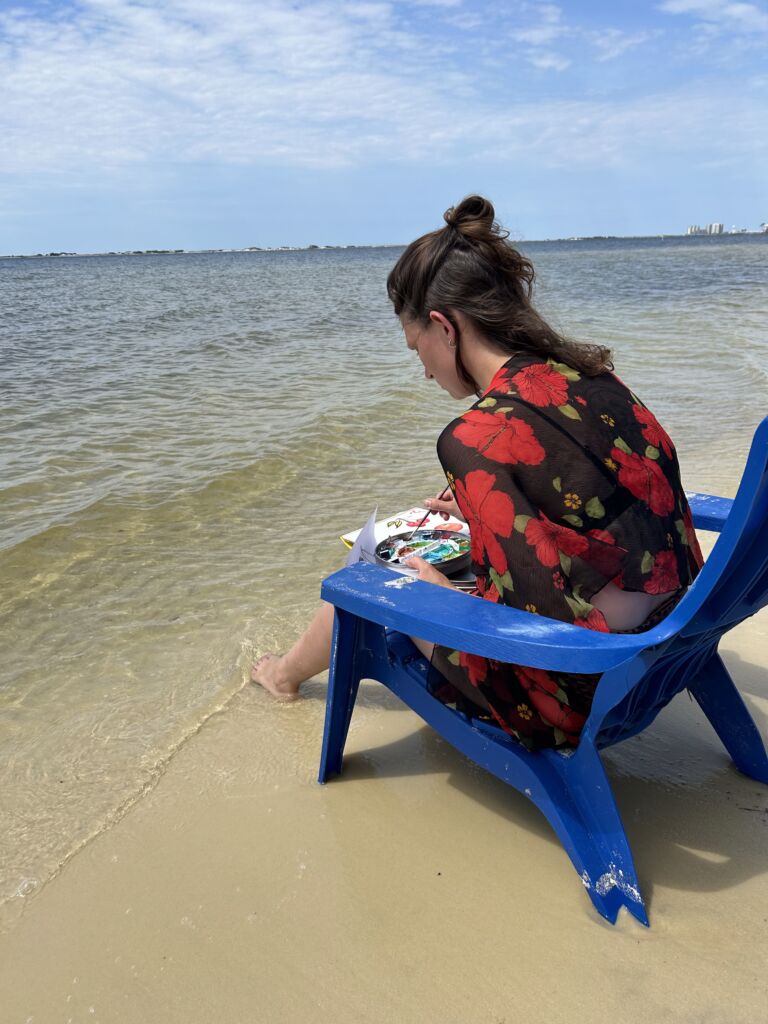
She then scanned the artwork and designed the prints that are now available on Etsy!
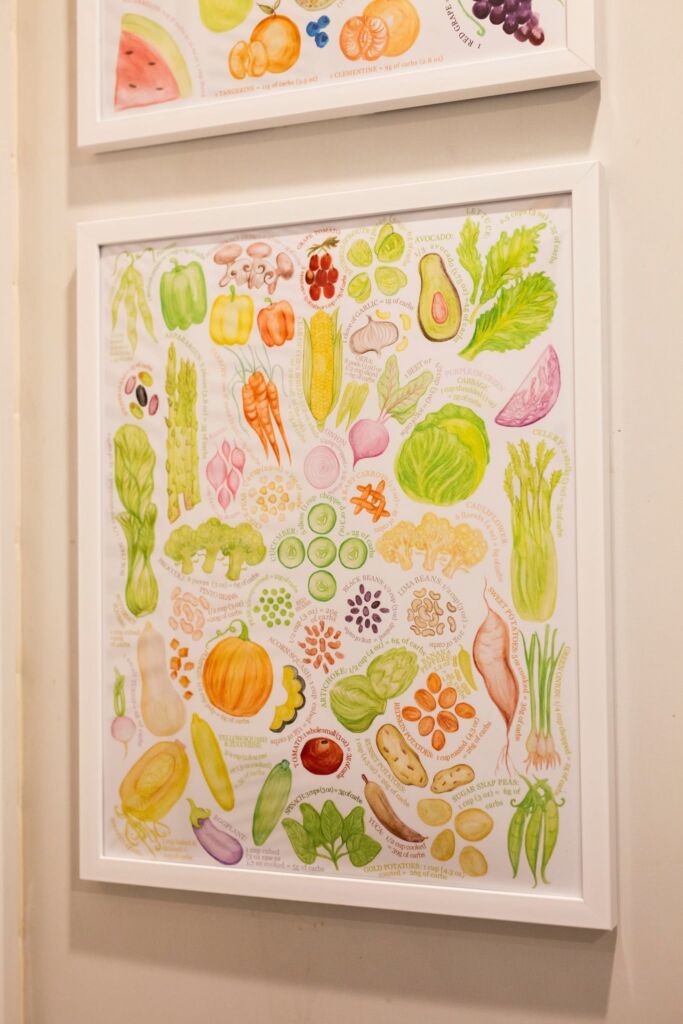
Carb Art is a completely original creation that helps families reduce screen time and distraction while managing diabetes. The beautiful prints also make a lovely addition to any kitchen or home decor. The project has been deeply therapeutic for Carley, and she hopes it brings practical help and encouragement to other families walking the same path.
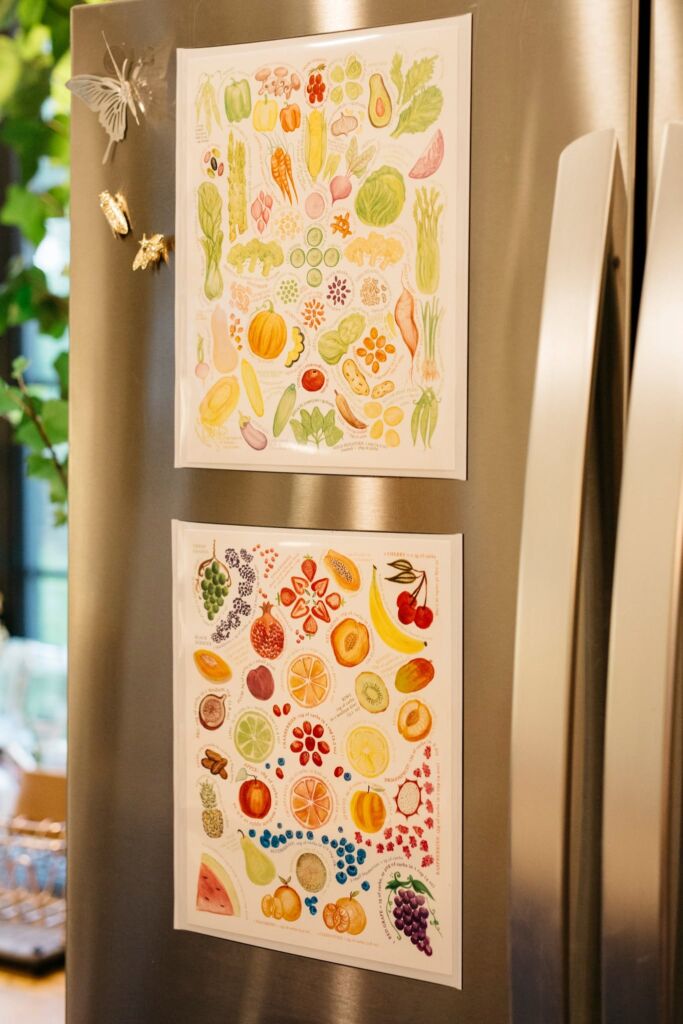
Through Carb Art, she’s turned one of the hardest parts of life with Type 1 Diabetes into something beautiful, useful, and inspiring.
I would encourage everyone to check out her Carb Art prints and magnets on Carely’s Etsy shop or Instagram @carb.art.
It is inspiring to see how Carley and precious young family have been able to persevere through all of the obstacles. I can’t wait to see what the future hold for them. I know God has BIG plans.



Leave A Comment